
Introduction to PlayBattleSquare and Its Phenomenon
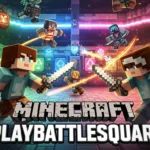
PlayBattleSquare is a multiplayer online game that has attracted considerable attention since its inception. The game immerses players in a dynamic world where strategy, skill, and camaraderie are essential to success. What makes PlayBattleSquare distinctive is not only its engaging gameplay but also the innovative features that have captivated the global gaming community.
The core objective of PlayBattleSquare revolves around players competing in various challenges, utilizing their skills to outsmart opponents. The game is designed for a diverse audience, appealing to both casual gamers and those seeking a competitive edge. This accessibility has significantly contributed to its growing popularity, drawing players from various age groups and backgrounds.
Upon its initial release, PlayBattleSquare was met with a positive reception. Critics praised its visually appealing graphics and user-friendly interface, while players appreciated the depth of gameplay and the social aspects of team-based challenges. The game encouraged collaboration and communication among players, fostering a sense of community that many players find appealing.
A key aspect of PlayBattleSquare that contributed to its rise as a global sensation was the introduction of skins. These customizable outfits allow players to express their individuality and creativity within the gaming environment. As players began to adopt unique skins, the game enhanced its appeal, making it not just about competition but also about personal expression. This seamless integration of skins within the gameplay experience provided an additional layer of engagement that resonated with a wide audience.
In the coming sections, we will explore the various factors that propelled PlayBattleSquare into the spotlight and examine the significant role that skins played in its meteoric rise to fame.
The Power of Skins: Customization and Engagement
In the realm of gaming, the concept of skins has emerged as a transformative element, fundamentally altering how players engage with their favorite titles. Skins refer to cosmetic alterations that modify the appearance of in-game characters, weapons, or other assets without affecting gameplay mechanics. This personalization aspect is what resonates deeply with players and transforms an ordinary gaming experience into a more immersive adventure.
One of the most significant advantages of incorporating skins is the enhanced player engagement that arises from the customization opportunities they offer. Through skins, players can express their individuality, showcasing their distinct tastes and preferences. For example, in the game PlayBattleSquare, the introduction of varied skins not only allowed players to modify their characters’ appearances but also fostered a sense of ownership. Players could create avatars that truly represented them, contributing to a more enriching gaming experience.
Moreover, skins can cultivate a sense of community among players. When individuals share their unique designs or engage in discussions about the latest available skins, it generates a communal spirit. For instance, the vibrant discussions and shared enthusiasm surrounding rare and unique skins within PlayBattleSquare highlight how skins can bring players together, encouraging them to connect over shared interests. Additionally, limited-time skin releases often create a rush, driving players to actively participate in the game to obtain these exclusive items.
The cultural impact of skins extends beyond mere personalization; they can also become status symbols within the gaming community. Players often take pride in owning rare skins, which can signify commitment and accomplishment in the game. In PlayBattleSquare, this phenomenon has been observable, where certain skins are associated with high skill or long-term dedication, further enticing players to engage more deeply with the gameplay.
Marketing Strategies that Fueled the Sensation
The creators of PlayBattleSquare utilized a myriad of innovative marketing strategies that played a pivotal role in establishing the game as a global sensation. Central to these tactics was the incorporation of skins and their appeal within the gaming community, which was leveraged to drive player engagement and broaden the game’s reach.
One of the key strategies involved organizing community events that encouraged player participation. These events not only showcased unique skins but also fostered a sense of belonging among players. They could earn exclusive skins by participating, effectively incentivizing deeper engagement and encouraging players to share their experiences across various platforms. The allure of exclusive content created buzz and attracted both current players and potential new users.
Influencer partnerships further amplified the visibility of PlayBattleSquare. By collaborating with prominent gaming influencers, the creators tapped into established fan bases, generating organic interest and excitement around the game. Influencers showcased skins in their content, demonstrating their aesthetic appeal and functionality, which significantly piqued the interest of their followers. This strategic alignment with influential figures enhanced the game’s credibility and visibility in a crowded market.
Moreover, social media campaigns played an integral role in promoting PlayBattleSquare. Targeted advertisements highlighted the innovative design of skins, while interactive social media content, such as polls and competitions, piqued community interaction. User-generated content showcasing unique skins fostered further engagement, allowing players to take pride in their collections, share them widely, and thus attract new players. The combination of these marketing strategies fostered a dynamic community atmosphere, propelling PlayBattleSquare to its acclaimed global stature.
Conclusion: The Lasting Impact of PlayBattleSquare and Its Skins
The success of PlayBattleSquare can be largely attributed to the innovative integration of its skins, marking a pivotal moment in the gaming landscape. The unique skins not only enhanced the aesthetic appeal of the game but also fostered a deeper emotional connection among players. This phenomenon was more than a mere trend; it transformed the conventional approach towards character customization in gaming.
By allowing players to express their individuality, the skins contributed significantly to PlayBattleSquare’s massive popularity. This appeal has implications for the gaming industry as a whole, signaling a shift towards personalization and user engagement. Other game developers are likely to take note of this success, considering similar strategies to boost their own titles. The thriving community surrounding PlayBattleSquare exemplifies how a cohesive ecosystem can enhance user experience, ultimately driving player retention and loyalty.
Moreover, the success of PlayBattleSquare presents insight into future gaming trends. As developers continue to explore customization options, the adoption of skins and similar enhancements seems destined to evolve further. This interplay between gameplay mechanics and cosmetic options is poised to redefine player engagement, setting new benchmarks in the industry.
In conclusion, PlayBattleSquare’s ascent to global sensation is a testament to the power of innovation in gameplay and customization. The combination of dynamic gameplay and appealing skins has set a new standard, demonstrating the potential for lucrative and engaging experiences in future gaming endeavors. As other developers observe and adapt to these trends, the gaming industry will likely see a continued evolution towards player-centric design.